
 Start Read
 Recommend
ああああああ

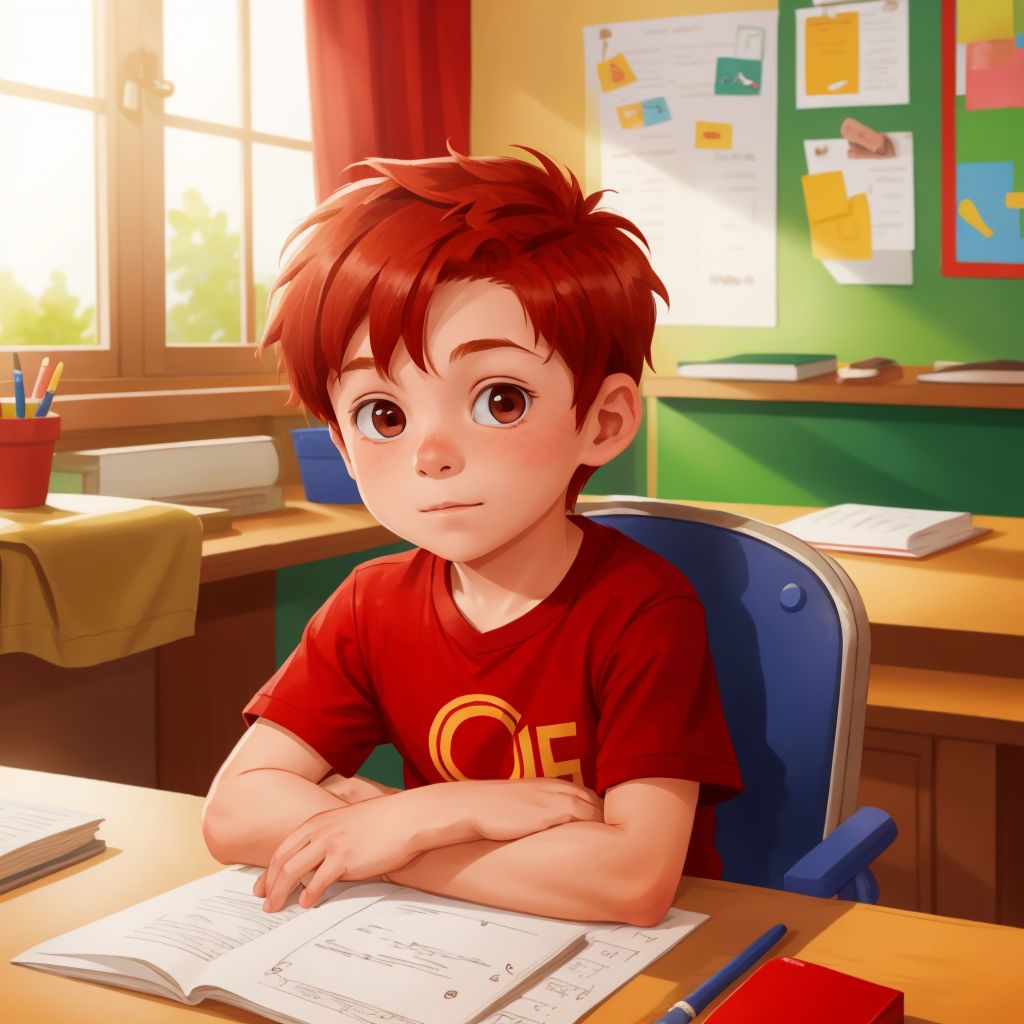
Create a vibrant and heartwarming children’s book for ages 6-8 about a young autistic boy named Benji who expresses himself through art. Benji experiences the world through colors—each shade has a unique sound and feeling. When his teacher, Ms. Thompson, announces an art competition, Benji is both excited and nervous. With the encouragement of his best friend Jamie, Benji paints his favorite place using colors that tell a story. However, a classmate named Alex dismisses his work as "weird." Despite the doubt, Benji stands firm in his artistic expression. On the day of the competition, judges are captivated by his painting, awarding him the prize for ‘Most Unique Artwork.’ The book should highlight themes of self-expression, resilience, and the power of art as a voice. Use simple yet engaging language suitable for young readers, with a focus on sensory-rich descriptions of colors. The illustrations should be bright and imaginative, reflecting how Benji perceives the world. The story should conclude with Benji feeling proud of his art, realizing that his creativity speaks for itself.Benji loved colors. To him, red hummed, blue whispered, and yellow giggled. Each color had a story. Benji saw the world differently, and that was wonderful! His hands danced with paint and crayons. Art was his magic.
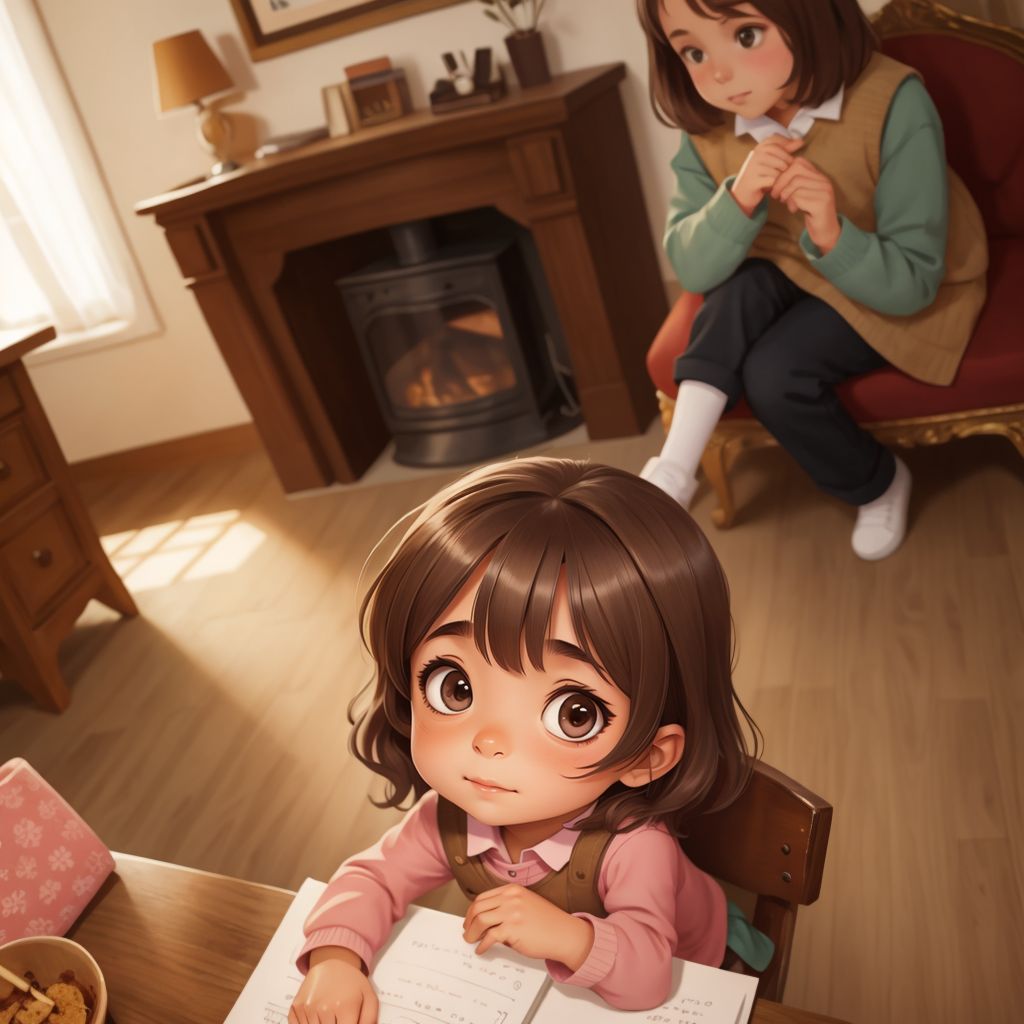
MARÍA COLORES ES UNA NIÑA QUE SE HACE PREGUNTAS CONSTANTEMENTE SOBRE LAS COSAS QUE LE RODEAN
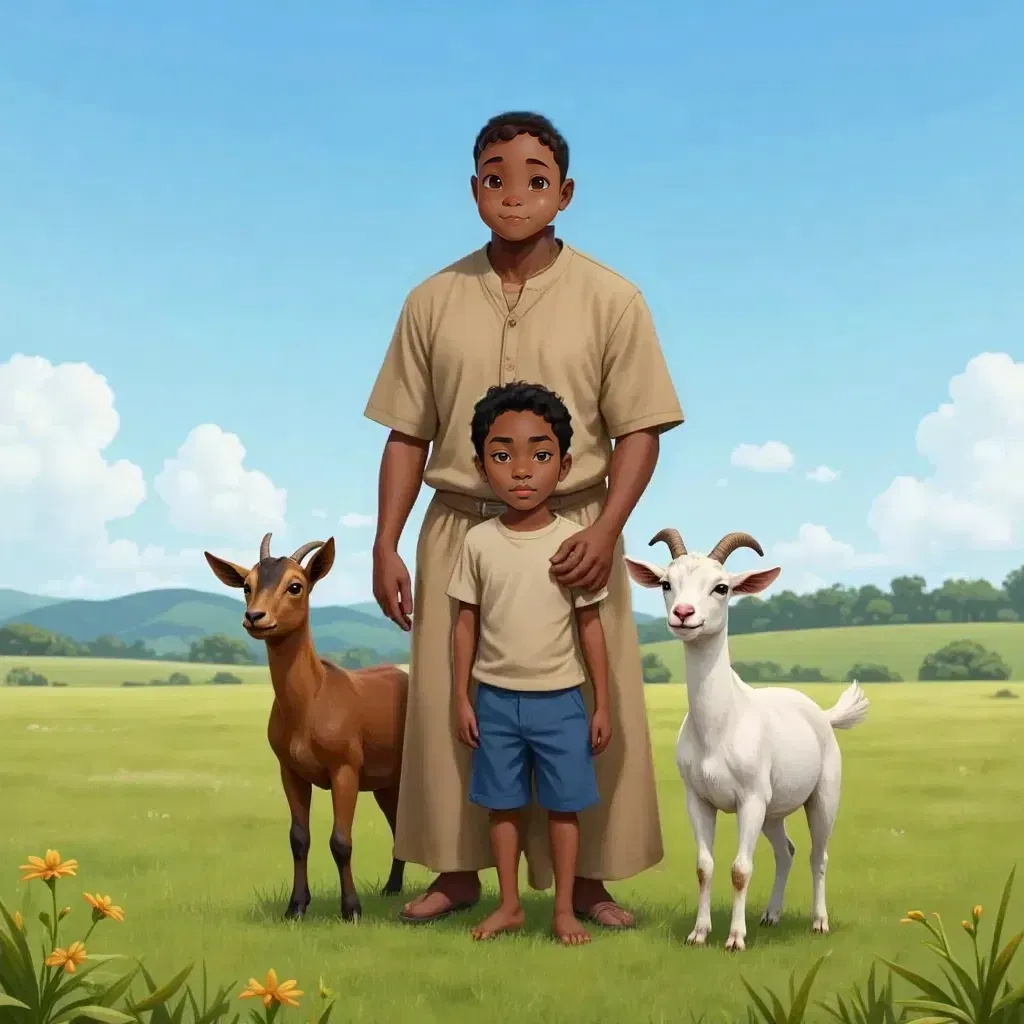
Write a 20-page Ugandan children’s story for P1 about a boy who loses his goat but finds it and learns responsibility. Page 1: This is Kato. He lives in a village in Uganda. Page 2: This is Kato. He lives in a village in Uganda. (Image: Mud house, banana trees) Page 3: Kato’s father gave him a goat. “Take good care of her,” he said. (Image: Father handing Kato a rope tied to a brown goat) Page 4: Kato took the goat to graze near the garden. (Image: Goat eating grass, Kato watching) Page 4: His friends called him. “Come play football!” (Image: Boys waving near a makeshift goalpost) Page 5: Kato tied the goat to a tree and ran to play. (Image: Goat tied loosely, Kato kicking a ball) Page 6: The goat pulled and pulled. The rope came loose! (Image: Goat freeing itself) Page 7: Kato looked back. The goat was gone! (Image: Empty rope, Kato’s shocked face) Page 8: “Where is my goat?” Kato cried. (Image: Kato searching bushes) Page 9: He asked Mama Nalongo. “Did you see my goat?” (Image: Old woman shaking head) Page 10: He asked the shopkeeper. “No,” said Mr. Sseguya. (Image: Kato at a roadside kiosk) Page 11: Then, he heard a sound: “Maaah!” (Image: Goat’s head peeking from a maize field) Page 12: The goat was eating Mr. Opio’s maize! (Image: Goat munching crops, angry farmer) Page 13: “I’m sorry!” Kato said," “I will help fix it.” (Image: Kato bowing head) Page 14: Kato and Mr. Opio replanted the maize. (Image: Both working in field) Page 15: Kato tied the goat properly this time. (Image: Double knot on rope) Page 16: His father said, “Always watch the goat. She is your responsibility.” (Image: Father kneeling to talk to Kato) Page 17: Kato never left the goat alone again. (Image: Kato sitting with goat while friends play) Page 18: The goat grew big and strong. Kato was proud! (Image: Fat goat, Kato smiling) Last Page: "THE END. What did Kato learn"? (Image: Kato feeding goat)
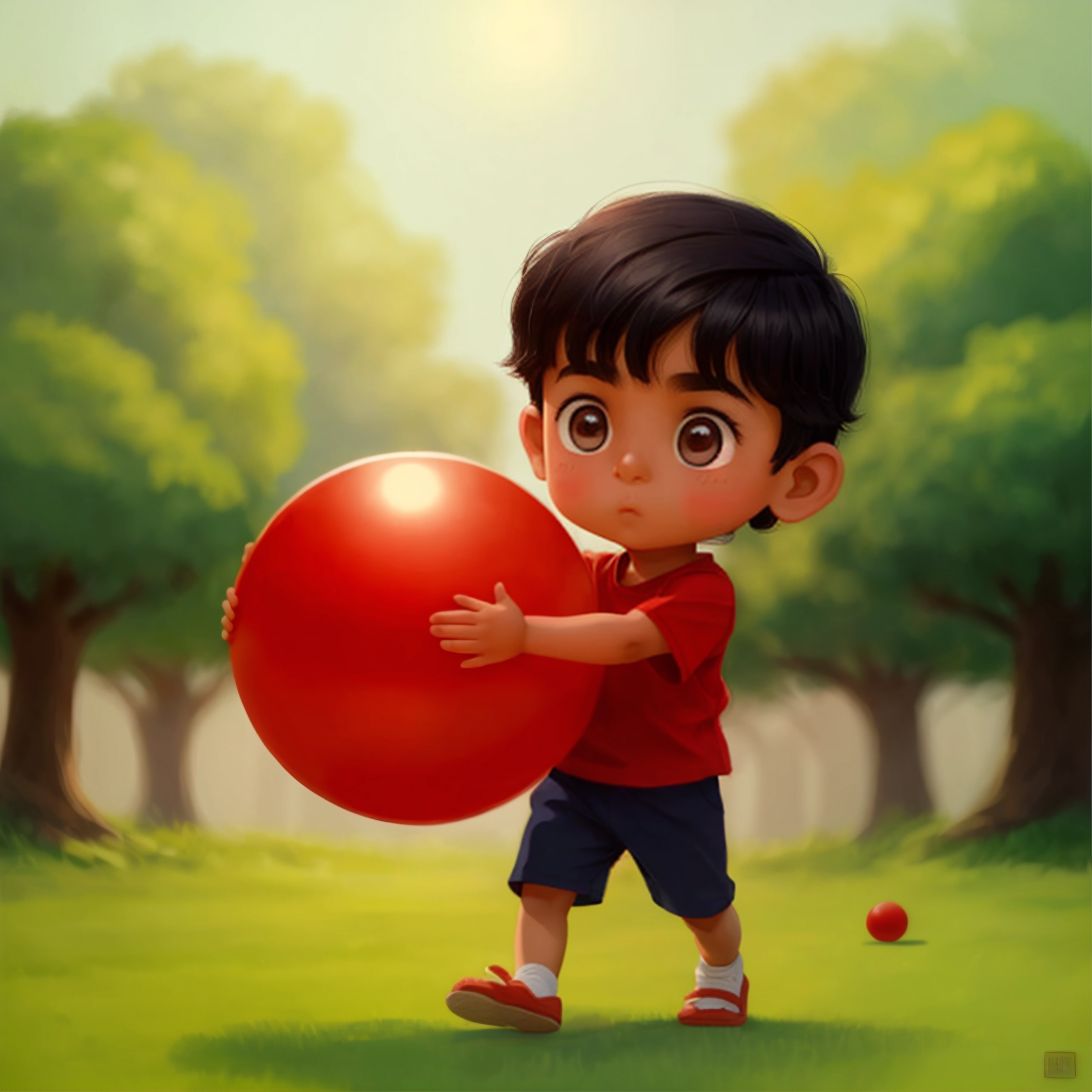
Sam had a big red ball. Sam liked to run. Sam ran fast on the green grass. The ball rolled with him. Sam saw a big cat. The cat was on a mat. Sam ran around the cat. Then, Sam saw a big dog. The dog wagged its tail. Sam and the dog ran in the sun. Sam was hot. He sat on a log. The cat and the dog sat too. Sam's mom said, "Fun run, Sam!" Sam smiled. It was a fun day in the sun. The end.
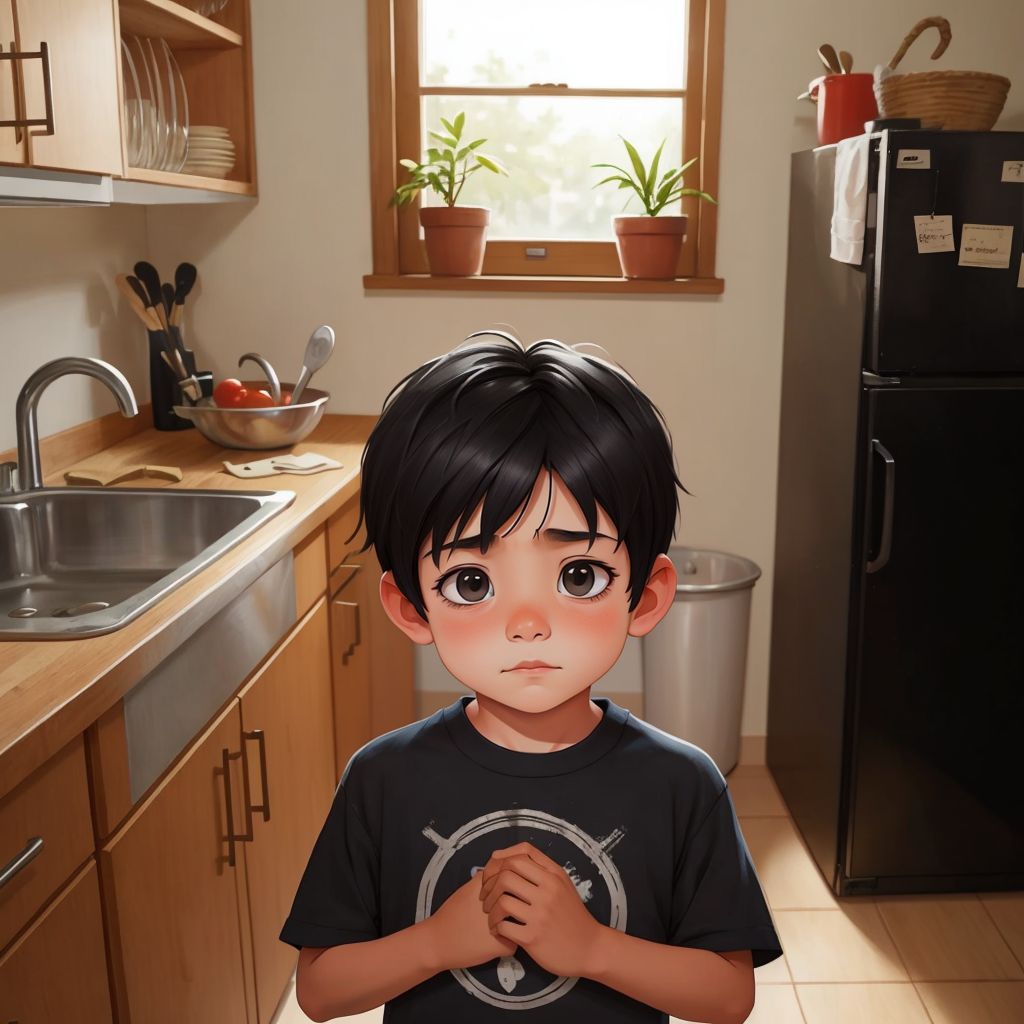
Theo é um menino que nunca teve sua saúde perfeita. Tinha dificuldade até para brincar com seus amigos. Mas adorava doces. Um dia não tinha doces em casa e teve que experimentar frutas. Adorou a experiência e passou a experimentar outras e a melhorar de saúde cada vez mais.
With the Power of Eight and the Wisdom Wheal the four very induividual dragoons move from there corner.
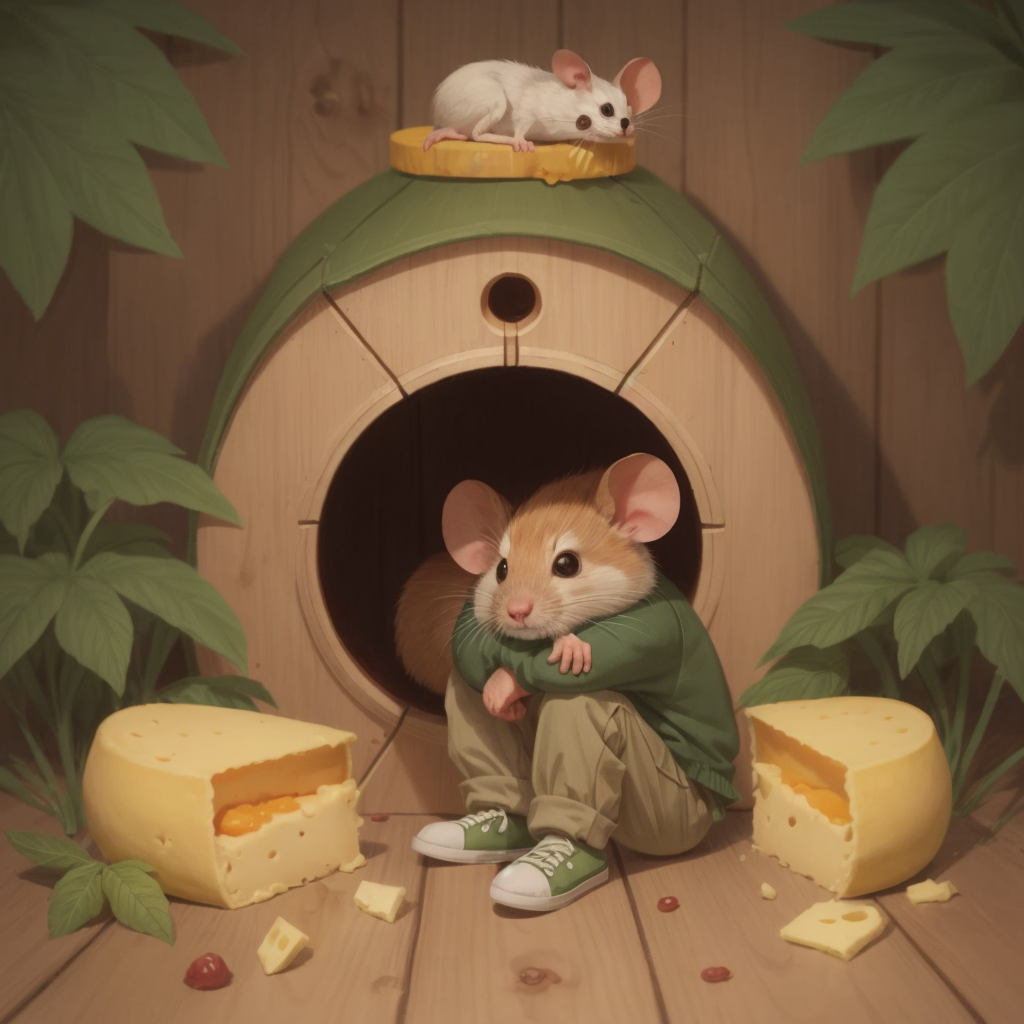
Introducing "The Adventures of Scaredy Mouse"! Join Quincy, affectionately known as "Scaredy Mouse," on a heartwarming journey of courage and friendship. In this charming tale, Quincy, a timid little mouse, learns to overcome his fears with the help of his loving family and newfound friends. From daring escapades in the forest to unexpected encounters with woodland creatures, Quincy discovers the true strength that lies within him. With its delightful illustrations and uplifting message, "The Adventures of Scaredy Mouse" is a captivating story that will inspire readers of all ages to embrace their fears and discover the joy of bravery. Embark on this enchanting adventure today and let Quincy's courage inspire you to face your own fears with love and empathy.
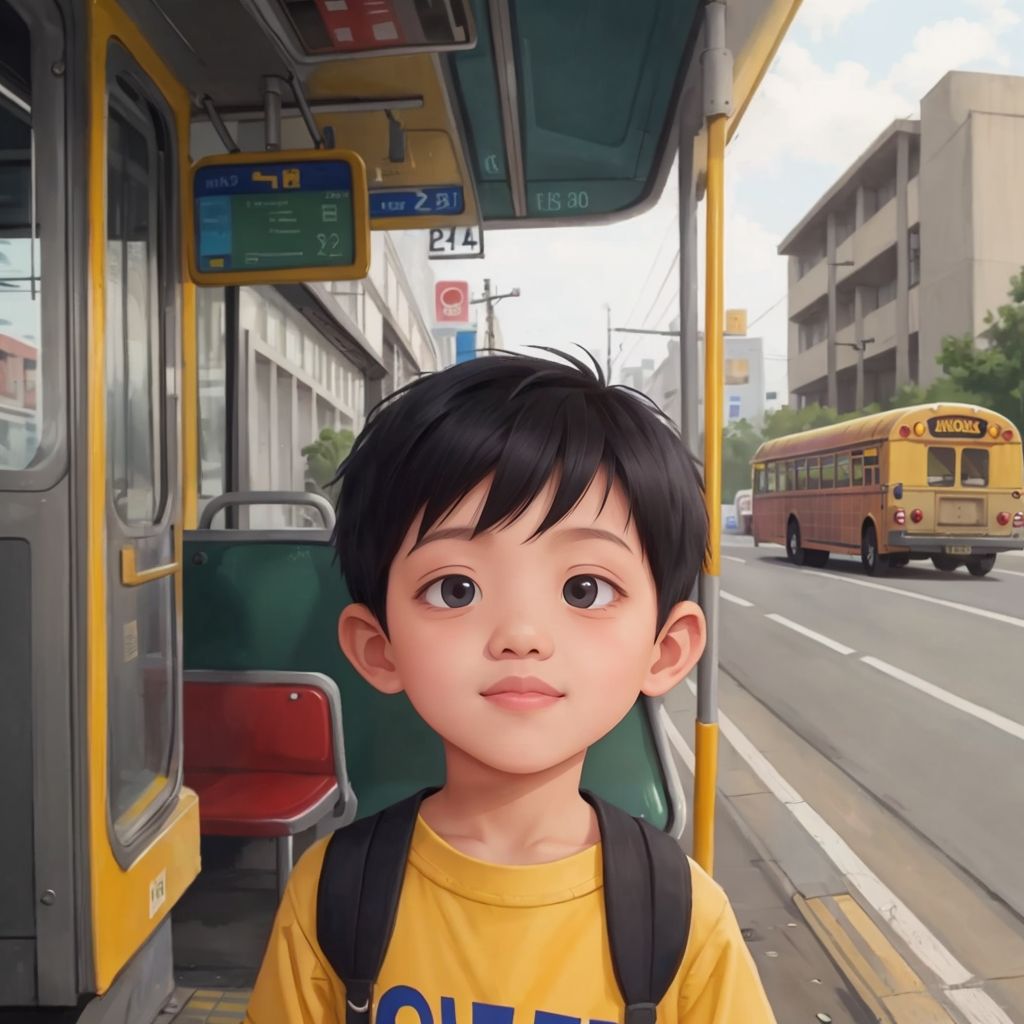
Aiden and his best friend Otum are both 6 years old. The love going to school. They love to play with Lego at school and love reading books. They are very smart.

A cat went on an ultimate beach day
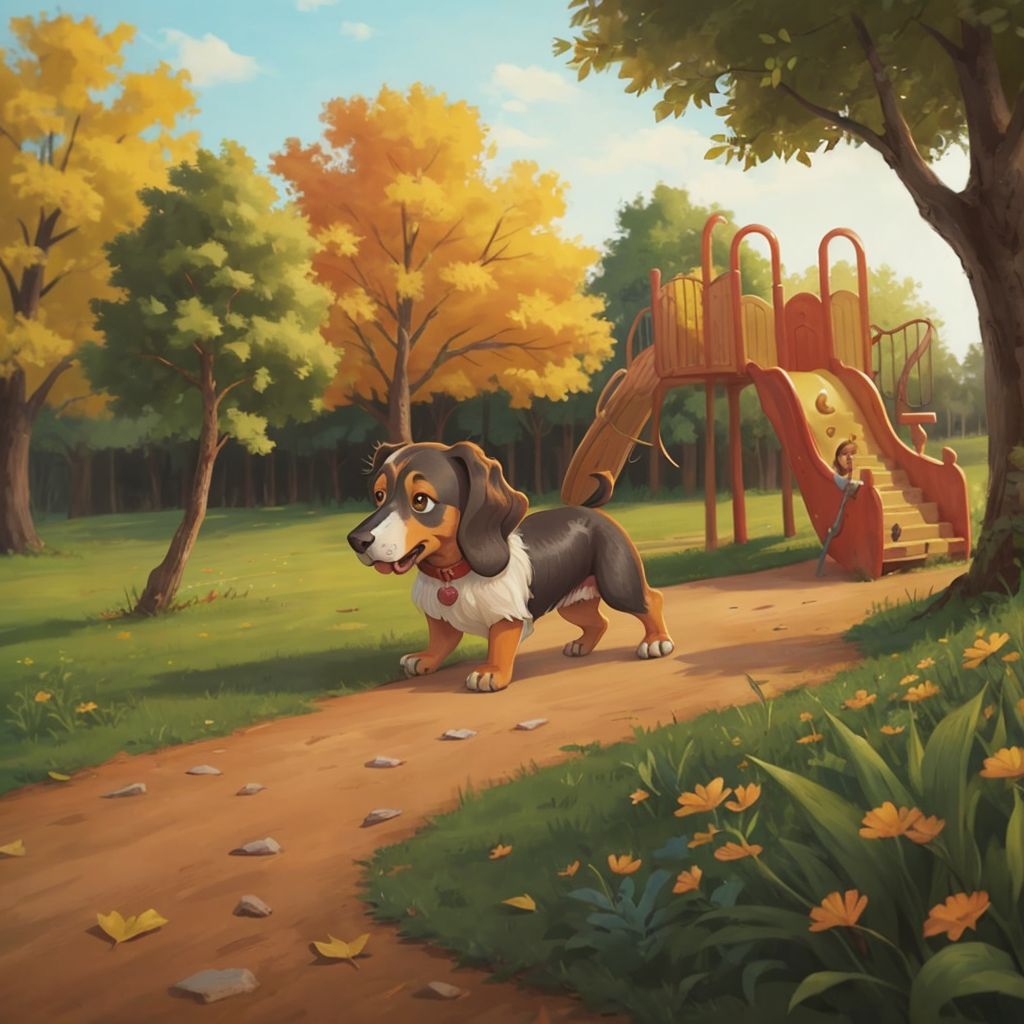
About a fun-loving dog named Bob. Bob loved life and was looking for friends.

A girl forbidden by her father, who is a village chief, to fall in love with a lowly village farmer. The girl runs away with a boy, ends up in a boat in the middle of the sea. A strong wave comes and capsizes the boat. They profess their undying love to each other. After they drown, an island appears, in the shape of a heart.
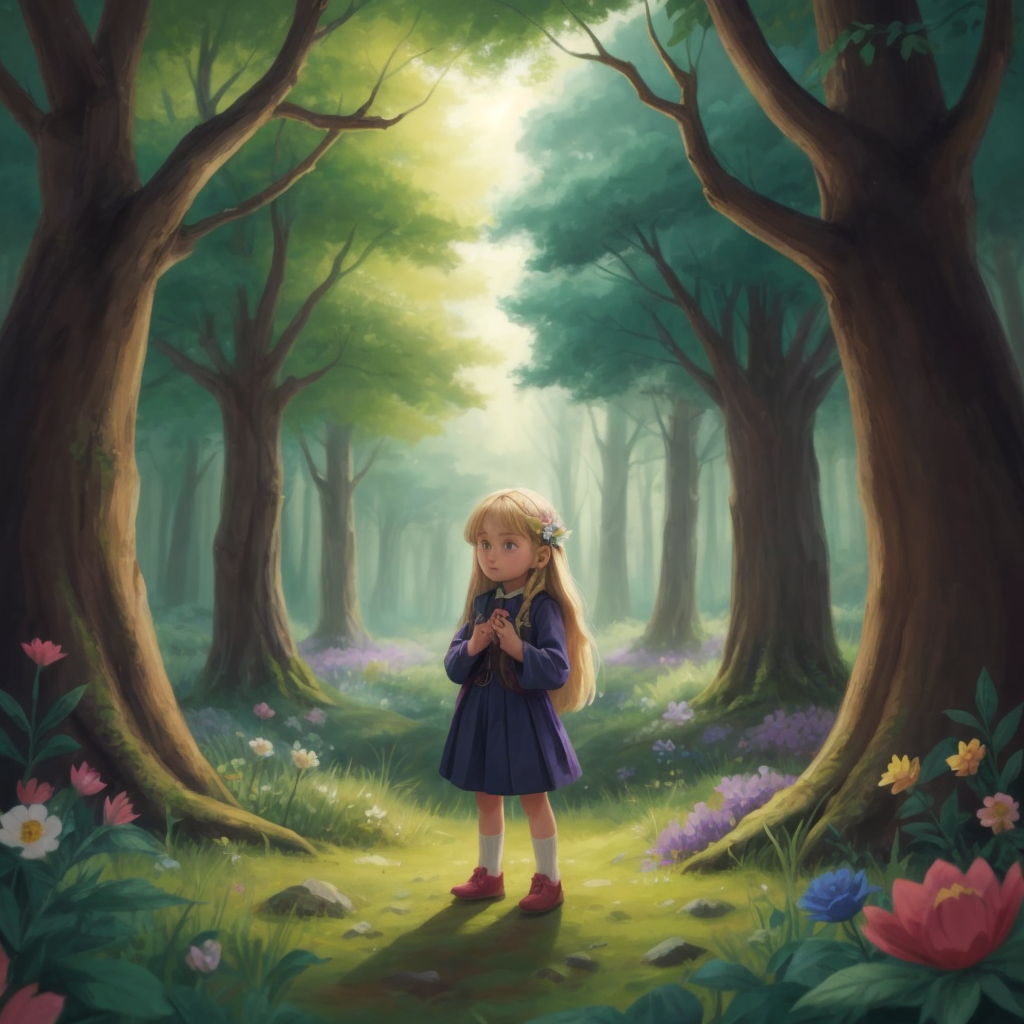
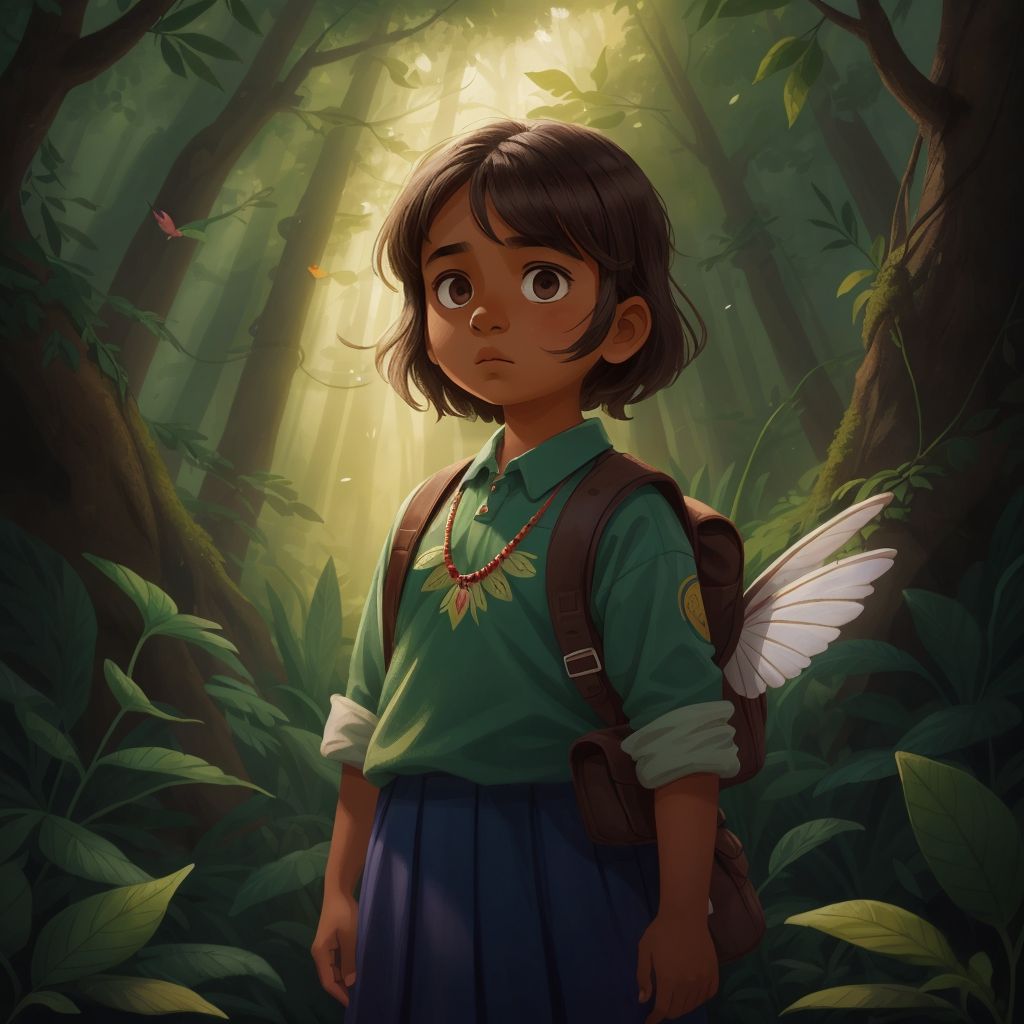
a little girl found herself in a beautiful forest inhabited by fabulous animals

1.) Once upon a time, in a small town, lived a 16-year-old high school student named Jane. Despite her exceptional talent in writing, she was plagued by bullies who mocked her for her physical appearance – her grizzly hair, brown skin, and what she perceived as excess weight. Jane endured her torment in silence, afraid to speak up about the cruelty she faced at school. 2.) Jane’s suffering extended beyond mere words as she experienced both physical and emotional abuse at the hands of her tormentors. Yet she never mustered the courage to seek help or stand up for herself. In the midst of her struggles, she found solace in the unwavering love and acceptance of her parents who
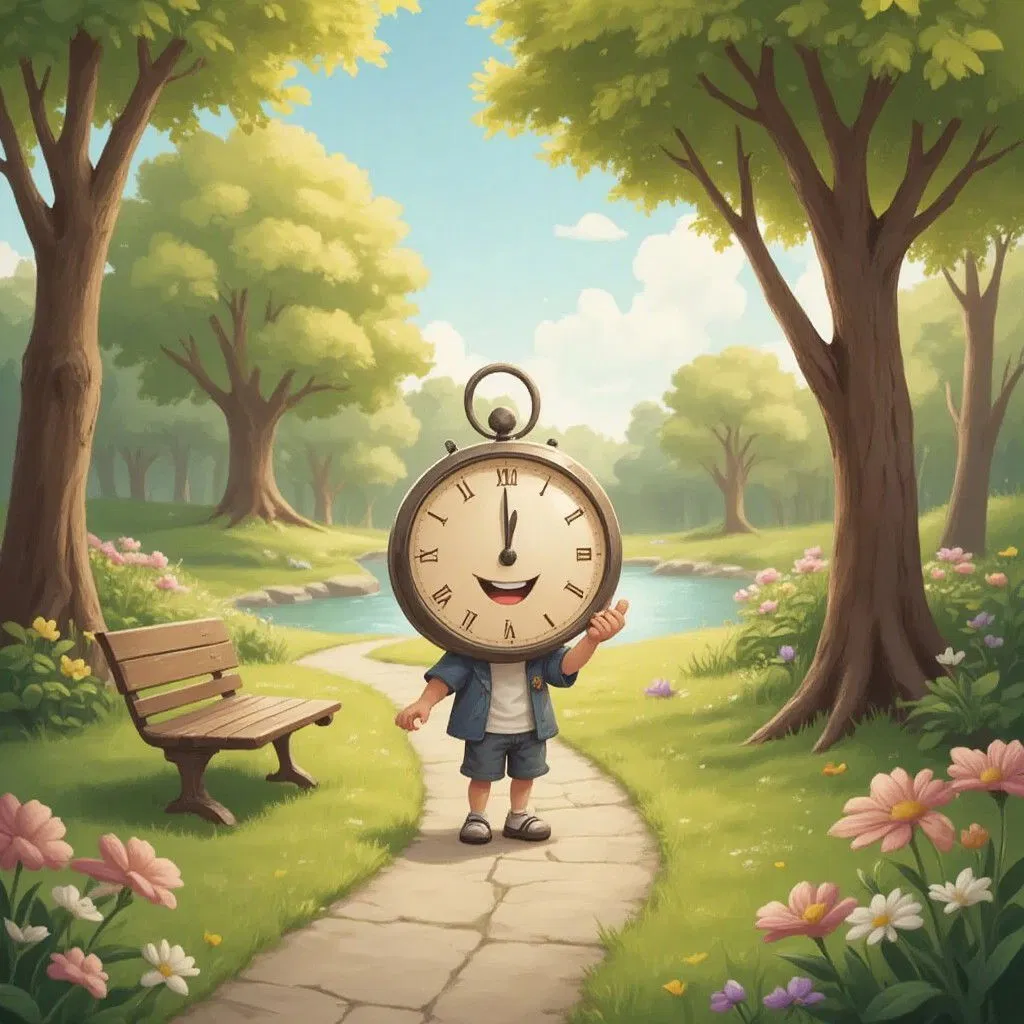
Si Timey Tommy ay isang mabait na batang orasan na mahilig tumulong sa iba upang malaman ang tamang oras. Isang araw, habang naglalakad siya sa parke, may nakita siyang isang batang nagngangalang Lia na nalilito sa kanyang orasan. "Timey Tommy, paano ko malalaman kung anong oras na?" tanong ni Lia. Ngumiti si Timey Tommy at sinabi, "Madali lang ‘yan! May dalawang kamay ang orasan. Ang maikling kamay ay para sa ORAS, at ang mahabang kamay ay para sa MINUTO!" Ipinakita ni Timey Tommy ang kanyang sariling mukha na hugis-orasan. Ang maikling kamay niya ay nakaturo sa 8, at ang mahabang kamay niya ay nakaturo sa 12. "Kapag ang mahabang kamay ay nasa 12, ito ay tinatawag na ‘O’clock’! Ibig sabihin, ang oras ay 8:00!" paliwanag ni Timey Tommy. "Ah! Kaya pala! Kapag ang maikling kamay ay nasa 3 at ang mahabang kamay ay nasa 12, ibig sabihin ay 3:00!" tuwang-tuwang sagot ni Lia. "Tama! Ngayon, handa ka nang malaman ang tamang oras!" sabi ni Timey Tommy. Mula noon, hindi na nalilito si Lia sa pagbabasa ng orasan. Lagi niyang naaalala ang sinabi ni Timey Tommy: “Ang maikling kamay ay para sa oras, at ang mahabang kamay ay para sa minuto!” ________________________________________

Create a story to engage and educate students on metabolic pathways that follows the journey of a carbon atom from a molecule of carbon dioxide in the atmosphere through the multiple chemical conversions it would go through until returning to a molecule of carbon dioxide in a human cell. Your story can anthropomorphize Links to an external site. the carbon atom if you find it effective to demonstrate the process in an engaging way. However, your description must be factual and contain important biological information in addition to being understandable by an advanced elementary school student (grades 4-5). Your finished story should include the following: Use the pathway of carbon as the main focus of the story. Feature these intermediate carbon-based molecules at minimum: Glyceraldehyde 3-phosphate (G3P) Glucose Pyruvate Identify and highlight the following organelles: Chloroplast Mitochondria Highlight the roles of at least two distinct enzymes. Document the major role of ATP in this story, showing where it is used and where it is produced. Reflect on the importance of plants to ecosystems, justifying the importance of plant conservation. Support your reflection with scientific evidence from a peer-reviewed journal article.
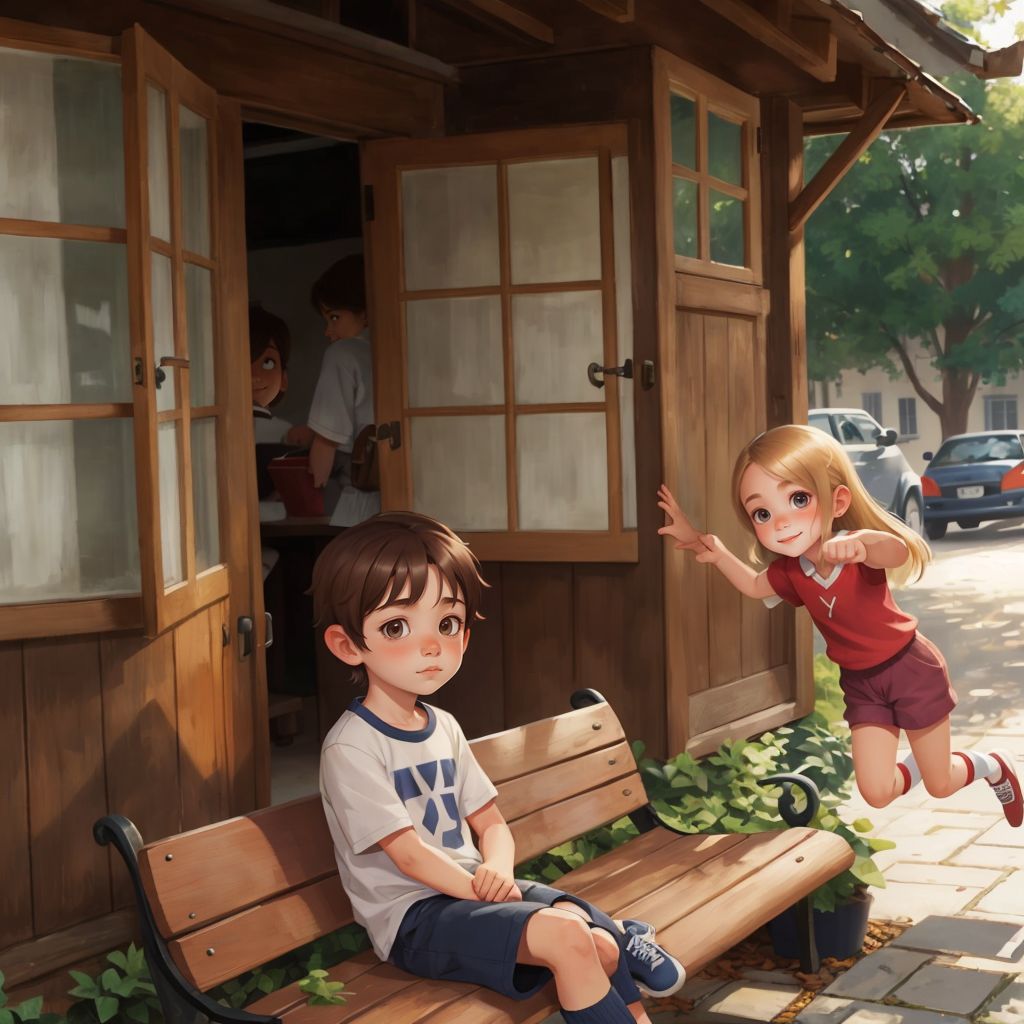
Two young children in school meeting in the playground and getting to know each other.

A black labrador lives on a farm with 10 Dalmatians and learns that even though he is different he is still part of the pack
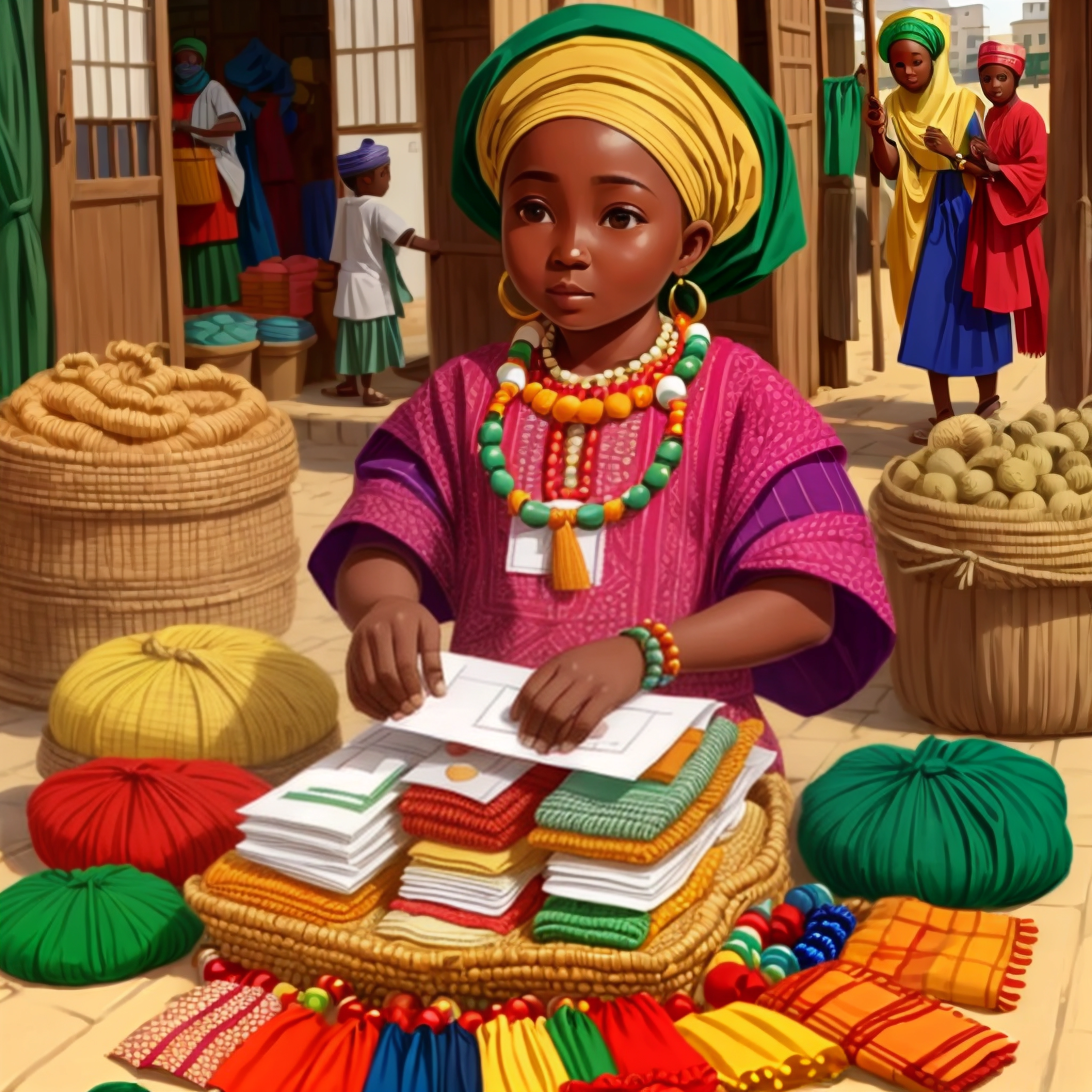
please write a childrens book about Adaeze princess Dineo Allison a 7 year old girl who lives in south africa and born to a nigerian father and a south african mother.The story should highlight her IGBO CULTURE AND PEDI CULTURE.sHE IS AN EXPLORER BOTH CULTURES AND SHE IS HAVING FUN WHILE LEARNING ABOUT HER DUAL CULTURES.

This is Peddy, and she is excited for her first day of school. Peddy kissed her mom and dad goodbye and walked out the door. As she happily sang, she made sure to walk on the side of the road where she could see approaching vehicles. On her way, Peddy saw Ian using his phone while walking and gasped, "Oh no!" She quickly approached Ian and said, "Good morning, Ian! Don’t use your phone while walking; it’s dangerous." Ian quickly put his phone away. "Oh, hi! Thank you for telling me, Peddy. Come on, let’s walk together!" As they continued walking, Peddy noticed white lines painted across the road. "Ian, we should walk on the pedestrian lane. Pedestrian lanes are designed to help us cross the road safely." They were about to cross when Peddy saw a traffic light ahead with three different colors. She stopped at the sidewalk. Ian looked at Peddy in confusion. "Why did you stop, Peddy? Come on! There are no cars anymore; we can cross the road." Peddy shook her head. "No, Ian. The traffic light is green, which means vehicles can go. Red means stop, and yellow means slow down." Ian then noticed the pedestrian signal. "Does the hand palm sign mean we should wait and not cross yet?" Peddy nodded. "Yes! And look, now the walking man signal has lit up. That means we can cross safely. That’s a pedestrian signal!" Ian was about to step forward, but Peddy stopped him again. "Before crossing, we should always follow the Stop, Look, and Listen rule. Stop before stepping onto the road. Look for approaching vehicles. Sometimes you can’t see them, so listen carefully for any nearby cars. If it’s all clear, then we can cross." Ian nodded, understanding the safety rules. Finally, Peddy and Ian walked across the pedestrian lane safely. They greeted the school guard happily, feeling secure and ready for their first day of school.