

 Start Read
 Recommend
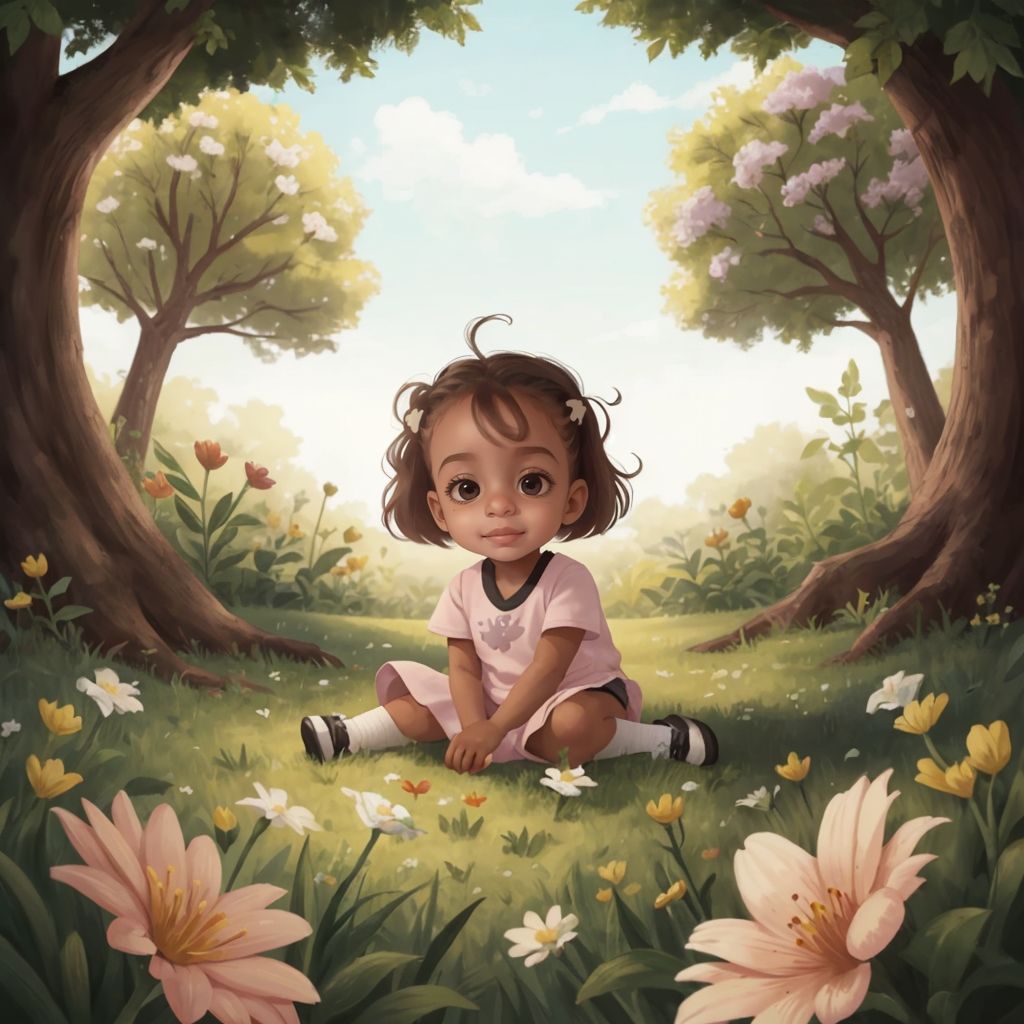
Everyday at playtime 2 year old Kyah Rose vivid imagination turns her backyard into a fun filled action packed adventure, stuffed animals,toys
The true abolition of slavery was achieved when the Thirteenth Amendment was ratified on December 6, 1865. The first section of the Amendment declares: “Neither slavery nor involuntary servitude, except as a punishment for crime whereof the party shall have been duly convicted, shall exist within the United States, or any place subject to their jurisdiction.” The Amendment is unique in the Constitution because it bars every person from holding slaves or engaging in other forms of involuntary servitude, whereas most constitutional provisions only constrain or regulate the government. It is unique in another way as well: although the Constitution obliquely acknowledged and accommodated slavery in its original text, the Thirteenth Amendment was the first explicit mention of slavery in the Constitution. The most immediate impact of the Thirteenth Amendment was to end chattel slavery as it was practiced in the southern United States.
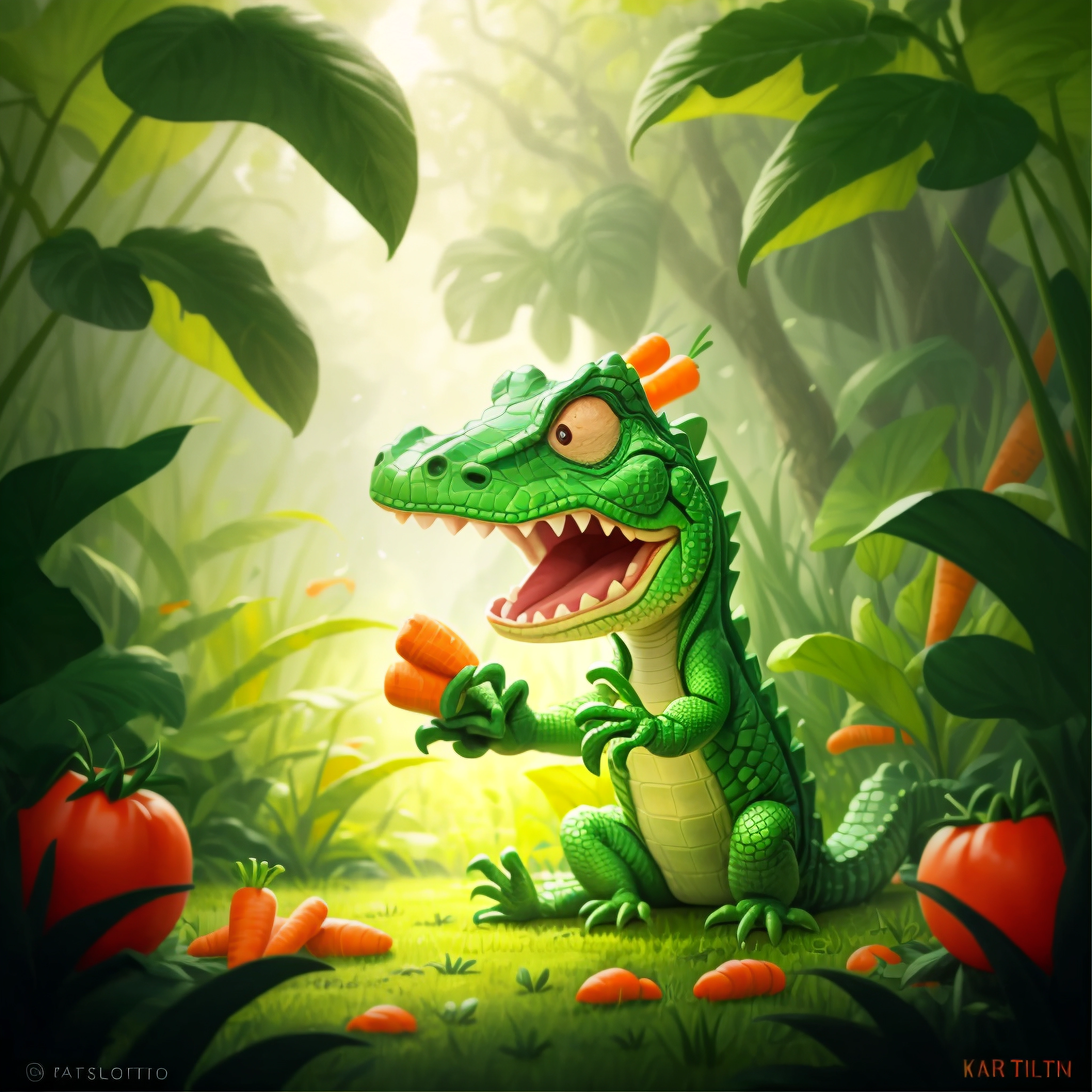
The alligator eats vegetables
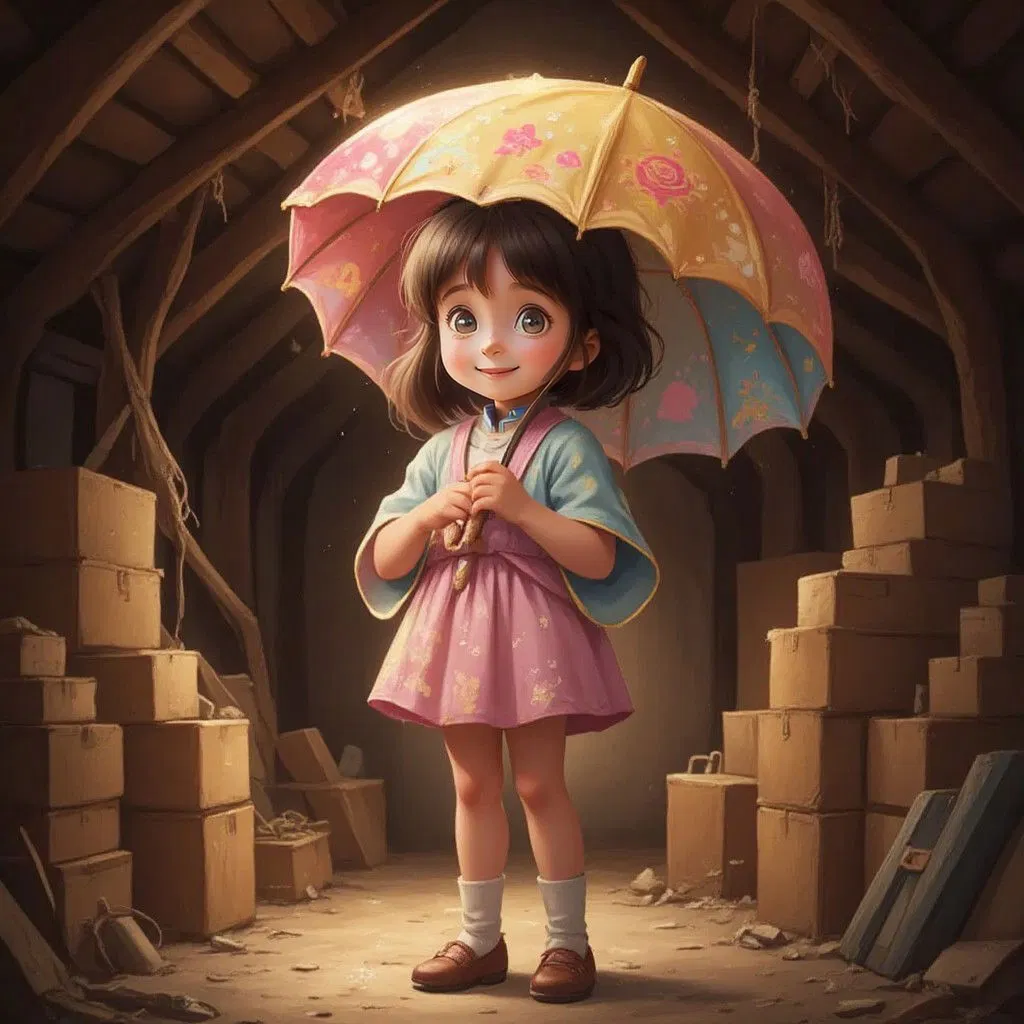
Luna, a curious and imaginative little girl, discovers a magical umbrella in her grandmother's attic. Every time she opens the umbrella, it takes her to a different fantastical world where she learns a valuable lesson. The story emphasizes themes of curiosity, courage, and kindness.

In a whimsical forest, the Bear family - Mama, Papa, and Baby - approach "Hibernation Station Hotel." Papa, an overweight, jovial bear, opens the door to the lobby where a middle-aged clerk greets them. Their deluxe room features a twin mattress for playful Baby Bear and a king for Mama and Papa Bear. Papa Bear, lying on his back, sinks into the bed. A split screen shows the mattress's internal structure: purple base foam, blue top foam, and an air chamber. The hand control, operated by the clerk, adjusts the firmness from "50 R" to "73," pleasing Papa Bear. Mama Bear, finding the bed too firm, has her comfort adjusted too. The control shifts from "82L" to "48L," aligning the mattress to her liking, evidenced by her saying "perfect." The scene ends with the clerk leaving the room, closing the door behind him.

Once upon a time, in a cozy house on Dagmar Road, lived a very special family. There was a mommy, a daddy, and three energetic and unique children: Peter, who loved to ride dirtbikes; Emily, who was obsessed with dancing, like a graceful ballerina; and Tommy, who dreamt of becoming a professional baseball player. Their mommy, Nurse Amy, was the heart of their family. She wore a bright smile, scrubs, some lovingly worn down sneakers and a stethoscope around her neck. But this mom wasn’t like most moms, Amy worked at night in a big hospital, helping people who were sick or hurt.
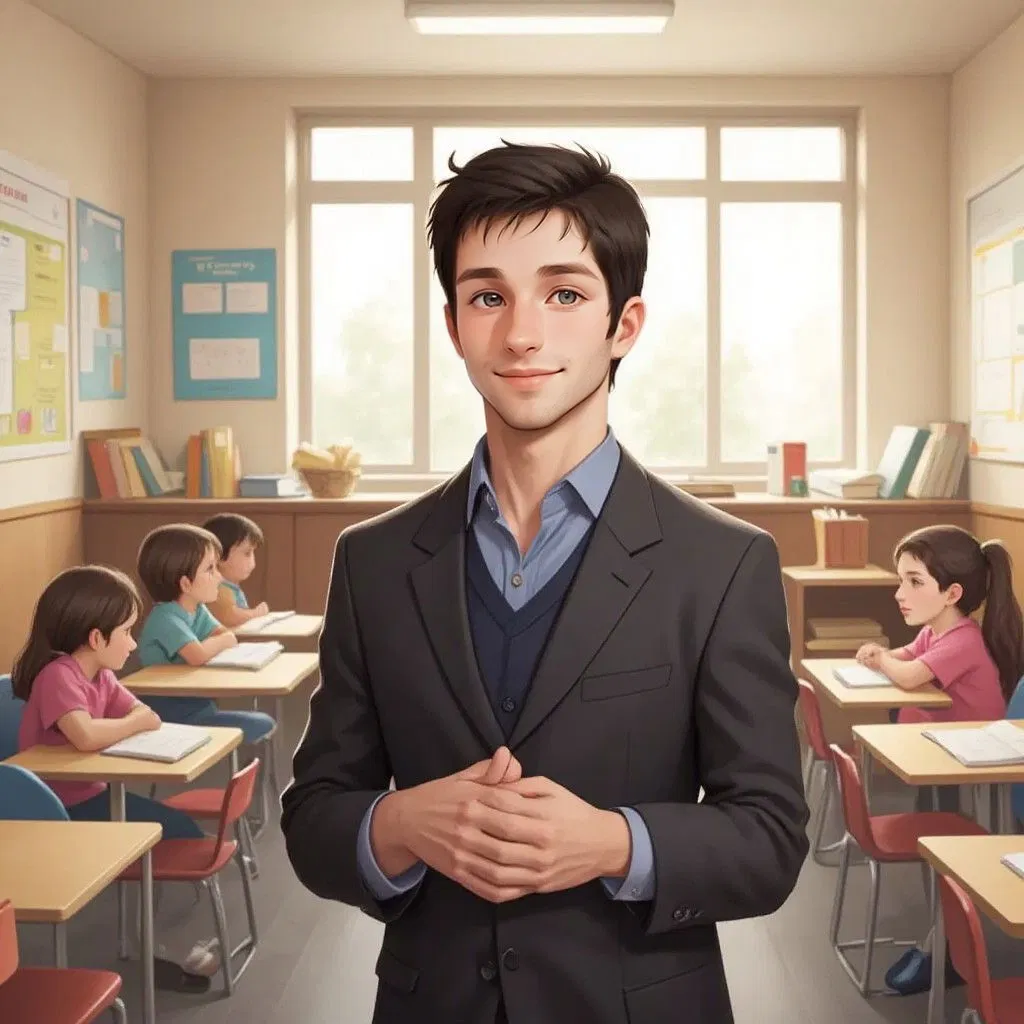
1. In a colorful elementary classroom, Mr. Darfi clapped his hands to get everyone’s attention. “Class, I have exciting news!” he announced with a bright smile. “Our new library corner is finally ready for you to explore!” 2. A chorus of cheers erupted as Micha, Christian, Peter, Abigail, Avisena, and Alvaro rushed toward the cozy corner filled with books. The shelves were lined with colorful covers, each one holding a new adventure. “Wow! So many books!” Micha exclaimed, running his fingers along the spines. The students took the books and read them. 3. After a while, he gathered them in a circle. “Let’s share our favorite parts,” he encouraged. Micha’s eyes sparkled. “I love the adventure! The boy in my book explores jungles and mountains.” Christian spread his arms like wings. “I wish I could fly too! Imagine soaring above the clouds.” “I want to grow my own magical garden,” Abigail said, clasping her hands together. “Wouldn’t it be amazing?” Peter sat up straight. “I’d love to be a brave prince, just like in my book.” Alvaro nudged Avisena. “The bear and the bird remind me of us. Even though they’re different, they’re still best friends.” 4. Mr. Darfi nodded, his heart full. “That’s the magic of books. They show us that we all have special stories to tell. And most importantly, they remind us that everyone belongs.” The children smiled at each other, feeling proud of who they were. “We’ll share our stories too!” Mr. Darfi beamed. “That’s the spirit. When we share our stories, we make the world a better place.” And with that, the children turned back to their books, ready to discover more adventures together.
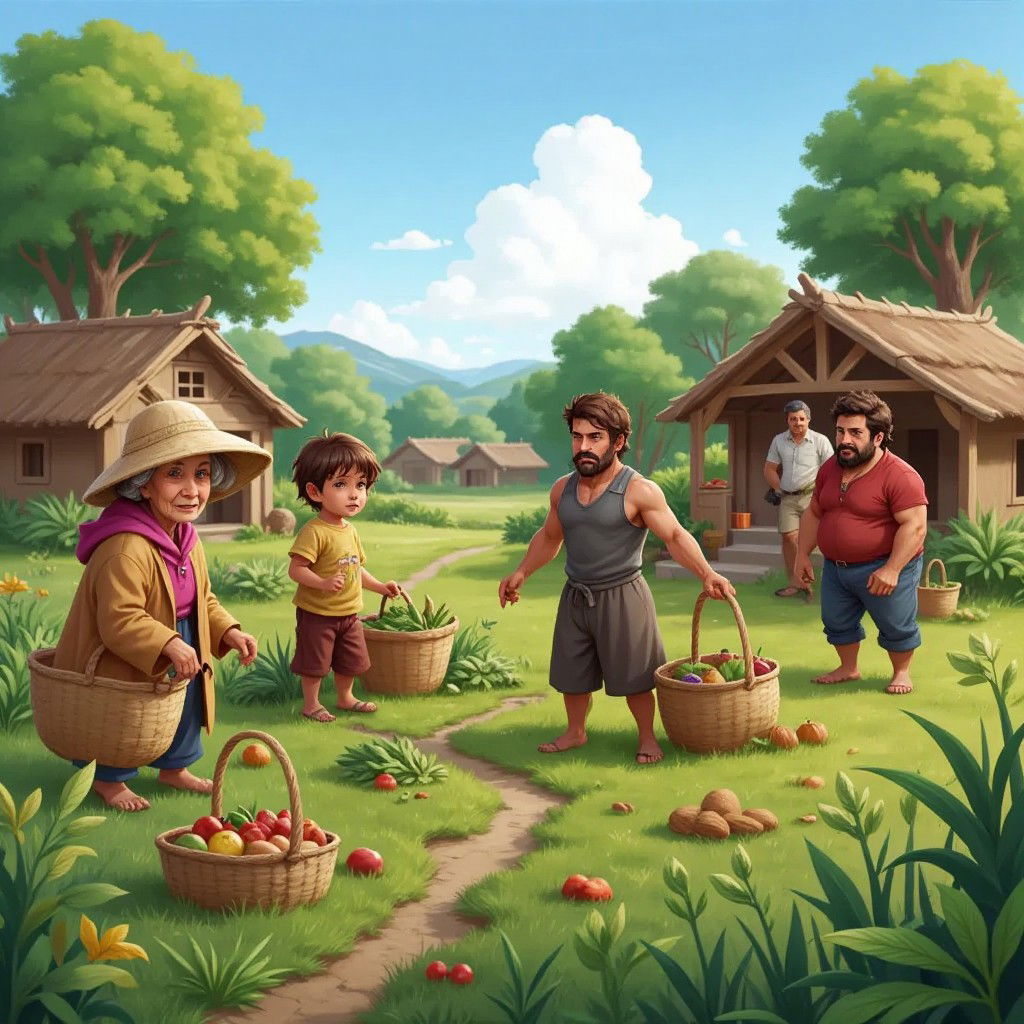
Há muito, muito tempo, antes de existirem escolas, livros e até mesmo cadernos, as pessoas viviam em aldeias e trabalhavam juntas para conseguir comida, construir casas e preparar festas. Mas havia um grande problema… os números ainda não existiam! Certo dia, a aldeia estava se preparando para uma grande festa. Eles precisavam dividir os alimentos entre as famílias, separar os bancos para as pessoas sentarem e organizar as frutas para a sobremesa. Mas como fazer isso sem contar? O chefe da aldeia olhou para todos e disse: — Precisamos de ajuda! Como podemos garantir que cada família receba a mesma quantidade de pão e peixe? Como podemos saber se todos terão um lugar para sentar? Os moradores começaram a tentar resolver a situação: Alguns tentaram comparar os alimentos colocando um monte ao lado do outro. Outros tentaram distribuir usando as mãos, mas sem saber se estavam dando mais ou menos para cada um. Alguns começaram a usar pedras para representar o que estavam distribuindo. Mesmo assim, tudo parecia confuso. Como eles poderiam se organizar melhor? Desafio para a turma: Agora, seus alunos fazem parte da aldeia! Em grupos, eles precisam pensar em soluções para os problemas sem usar números. Dê a cada grupo um desafio, como: Como dividir os peixes entre as famílias de forma justa? Como garantir que cada pessoa tenha um lugar para sentar na festa? Como lembrar quantos dias faltam para a festa sem um calendário? Depois, cada grupo compartilha sua solução. No final, você pode conduzir a reflexão: Como a invenção dos números ajudou as pessoas a resolver esses problemas?
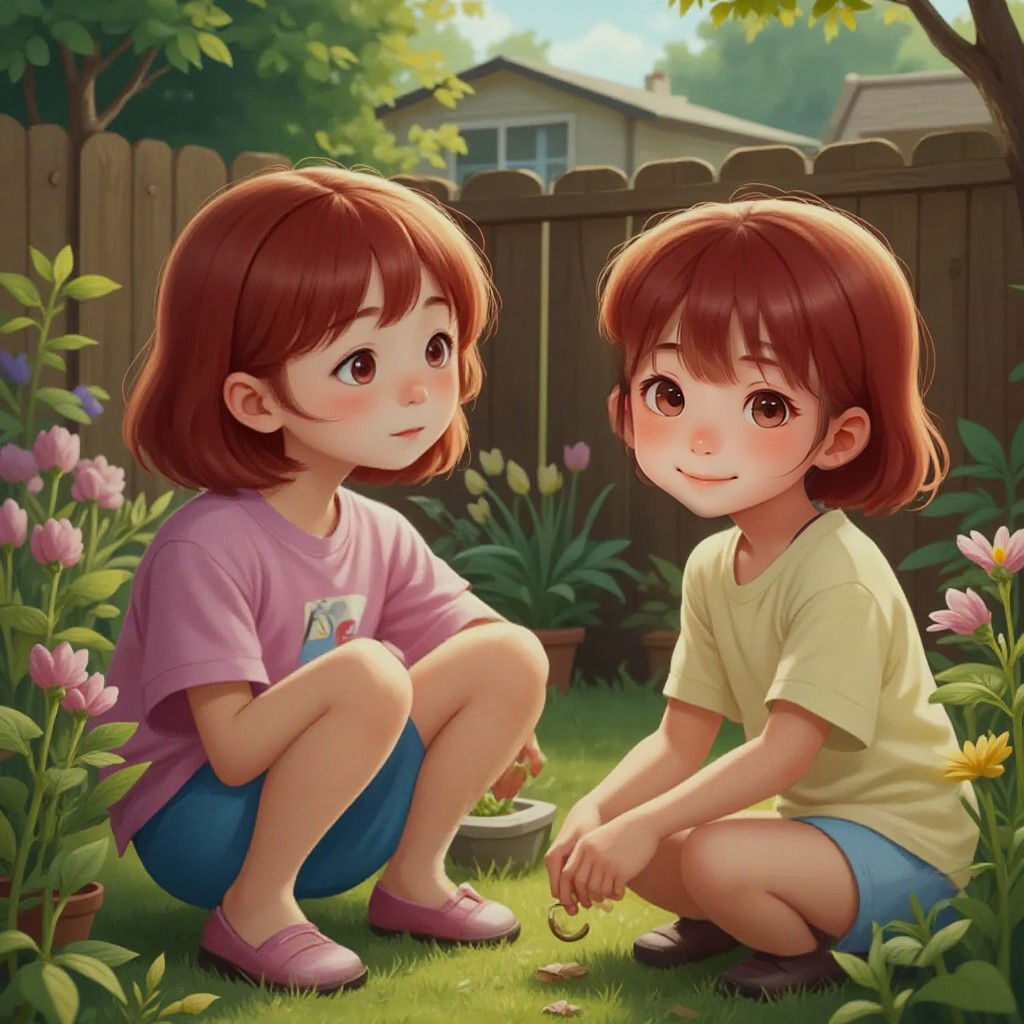
A colorful story about how our thoughts and habits are like seeds we plant and nurture in our brain-garden Shows how positive thoughts grow into beautiful flowers while negative thoughts are like weeds we can choose to pull Teaches basic neuroscience concepts through gardening metaphors kids can understand Includes simple mindfulness exercises presented as "garden care tips"

A girl by the name of Bella Learning bible promises Her mom teach her Growing in God
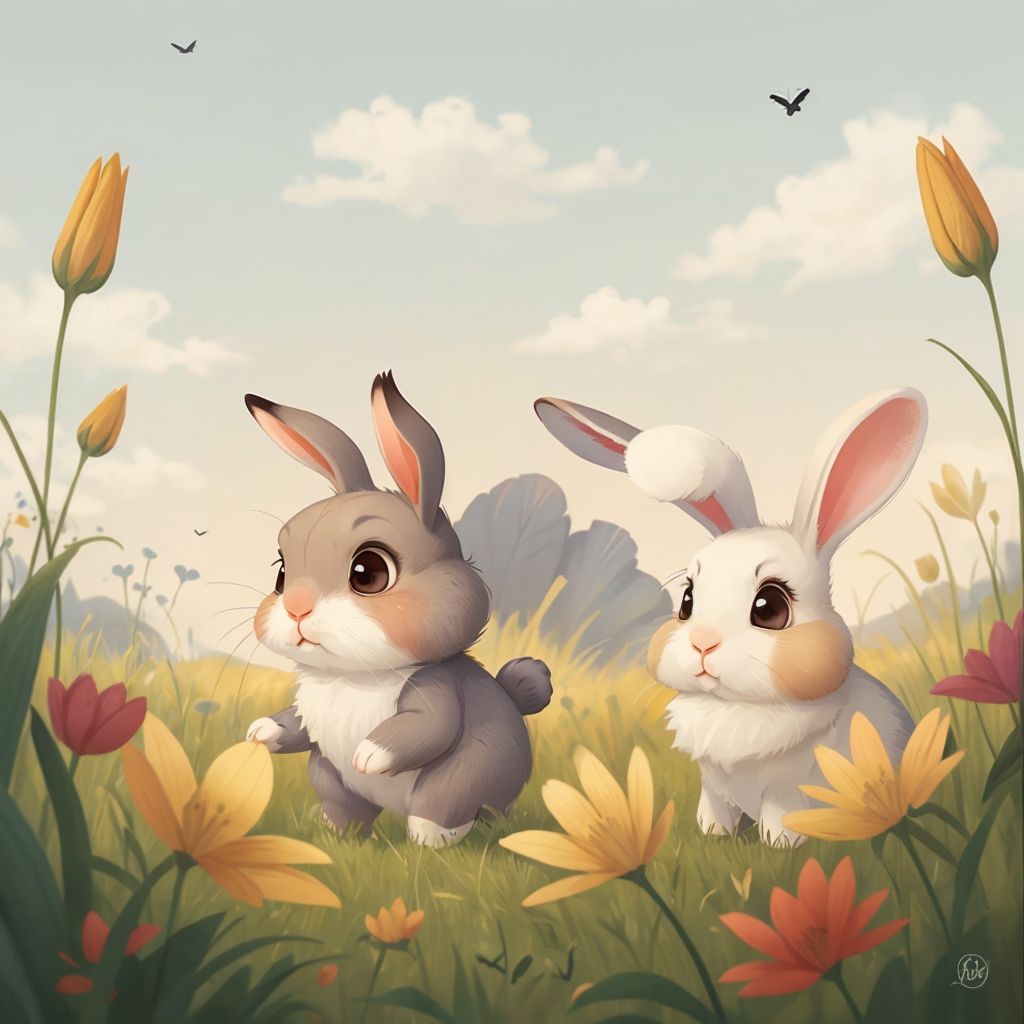
A bunny loves to play with all his bunny friends. He would play all kinds of games with his friends. But he sometimes feels that he needs to win all the time when playing. He would get angry when he does not win and not behave nicely with his friends. He needs to learn how to have fun at playing, while winning or losing is not important.
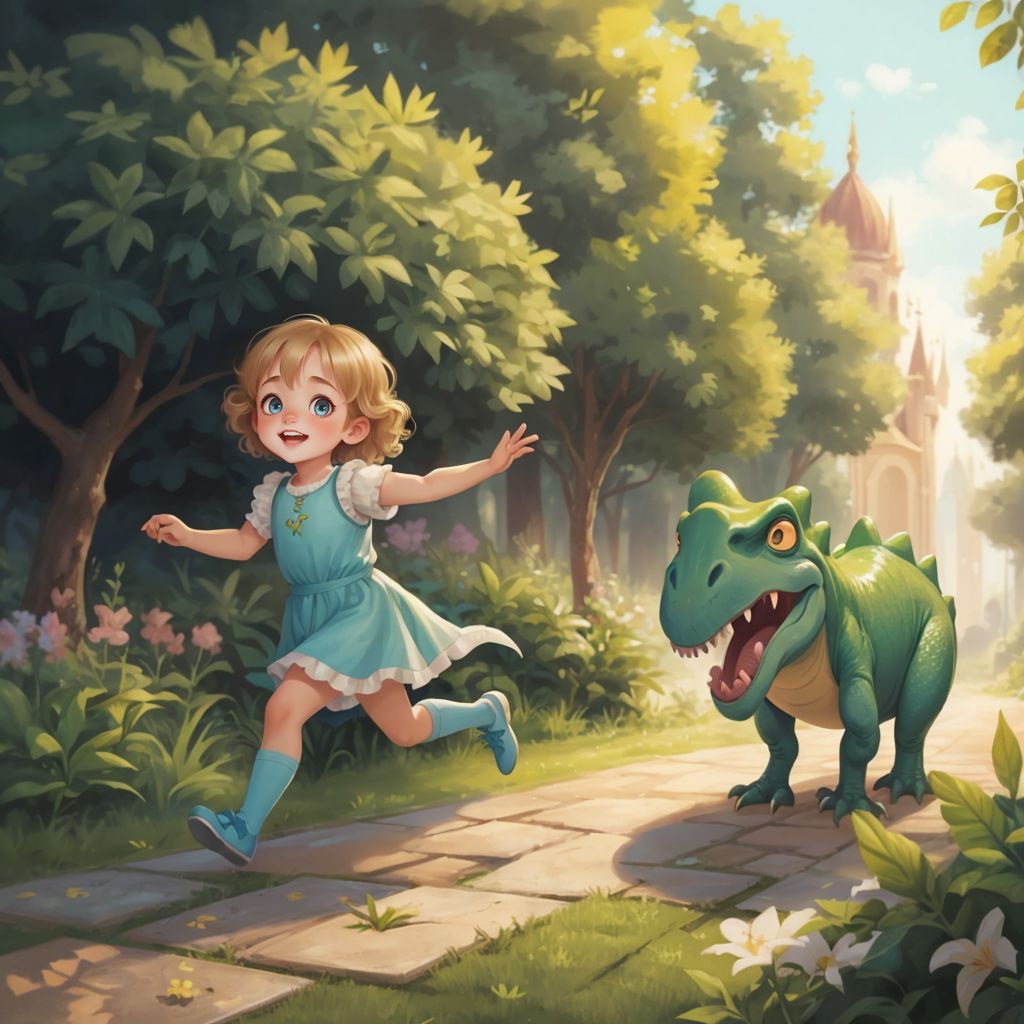
"Mia and the Fluffy Dinosaur Puka" is a delightful and heartwarming story for children that takes young readers on a magical adventure. The main character, a girl named Mia, discovers an unusual creature in her garden—a small, fluffy dinosaur named Puka. This dinosaur is not only soft and friendly but also possesses extraordinary abilities that lead to the most incredible and humorous situations. Mia and Puka quickly become best friends and embark on an unforgettable journey through enchanted worlds, where they meet the most amazing creatures and solve tricky yet exciting challenges. Together, they learn about true friendship, support, and courage. The book is filled with humor, warmth, and imagination, making it perfect for bedtime reading or any time when you want to dive into a fairy-tale world of adventure.
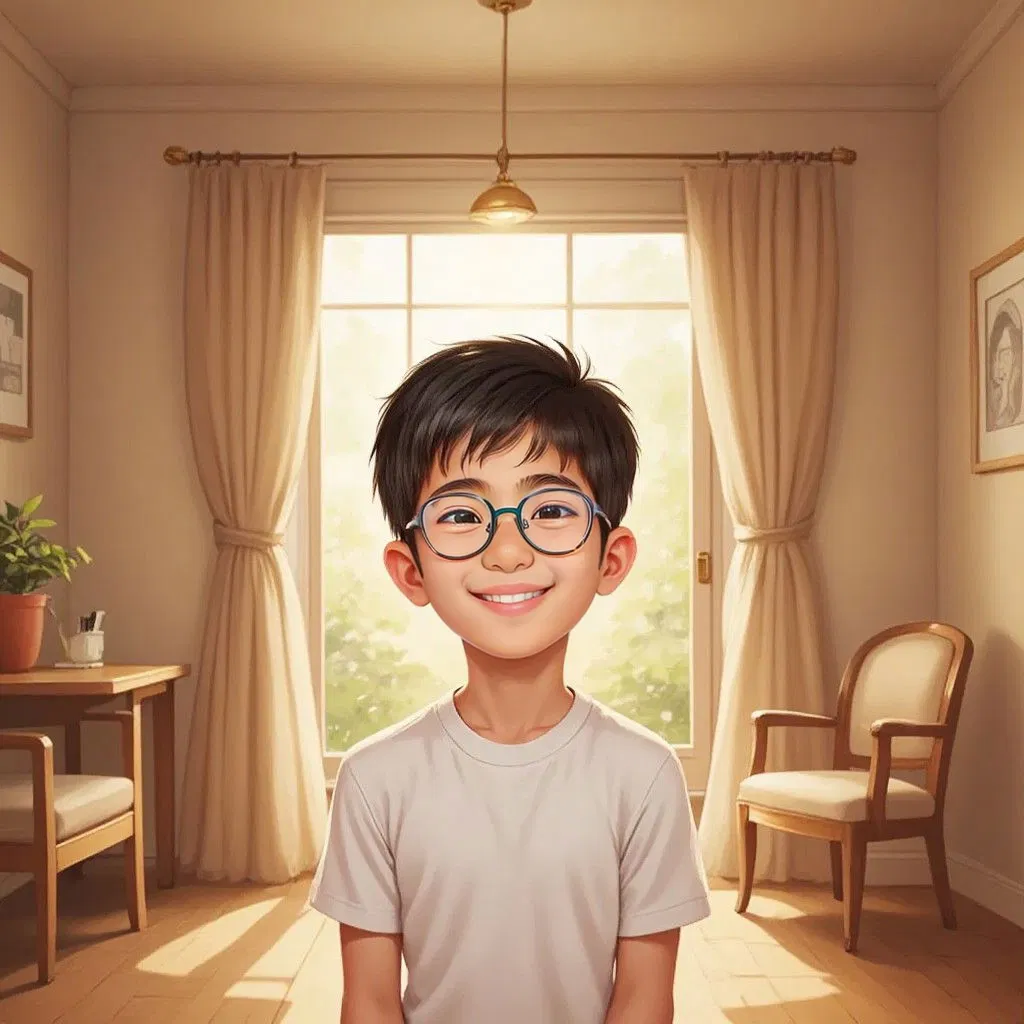
baraa is a muslim boy who learns the quran and pray
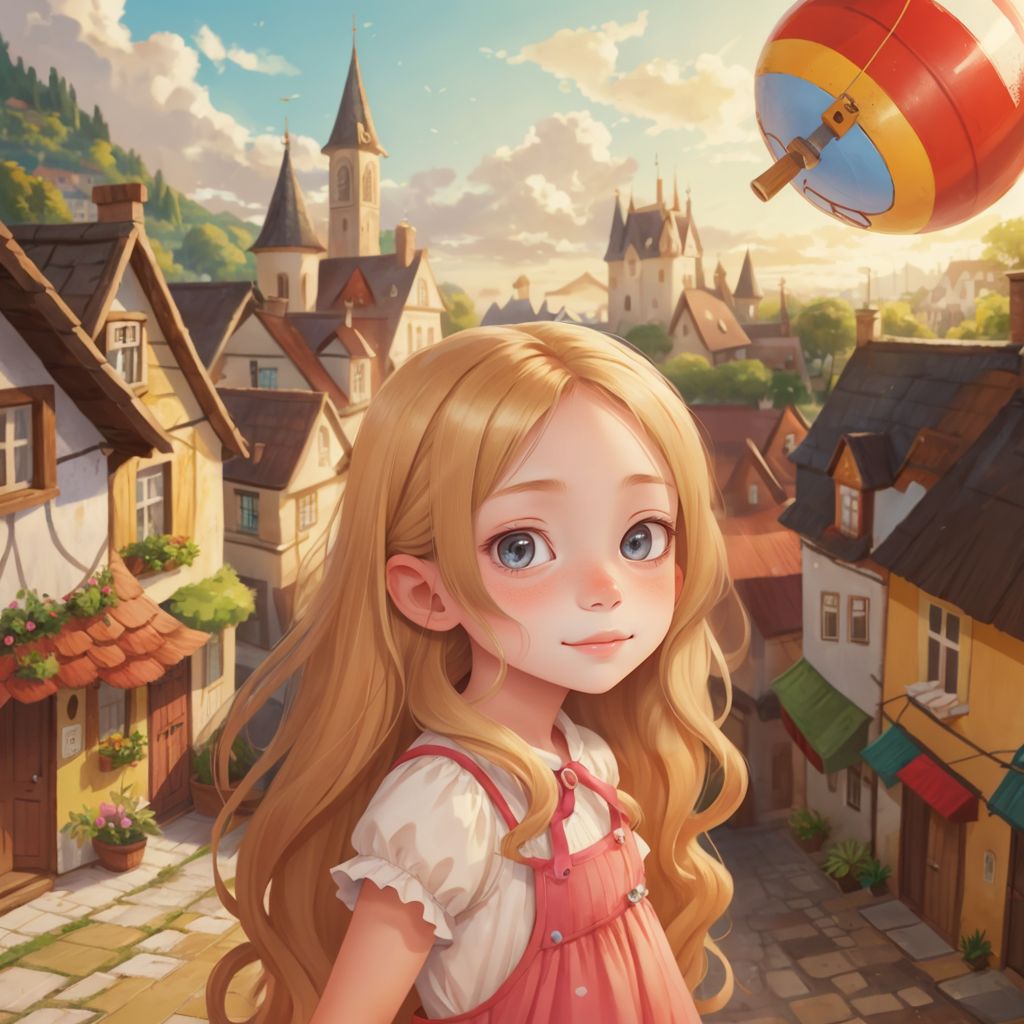
ليلى بنت شقراء الشعر بعمر 10 سنوات تعيش في قرية الساحرات

In Tinkerton, lived a mischievous yet lovable dog named Spud. Spud was known for his mischief. Spud set off into the town, ready to cause some mischief. Spud's first stop was the park, where he spotted a group of ducks waddling by the pond. Spud chased the ducks into the water, causing a big splash. "Bad Dog Spud!" quacked the ducks as they paddled away. Next, he spotted pies sitting on a windowsill. Spud snuck up and stole a pie, gobbling it up "Bad Dog Spud!" cried the baker But Spud's happiest moment came when he spotted the school bus. Spud took off after the bus. The children laughed but the bus driver shook his head and said, "Bad Dog Spud!" Spud's mischief only seemed to grow. He chased squirrels, dug up flower beds, and even tried to sneak into the local butcher’s shop. "Bad Dog Spud!" scolded the shop owner as he shooed him away. He went home, as he drifted off to sleep with dreams of more adventures. Despite his mischievous ways, there was no dog quite like Spud.
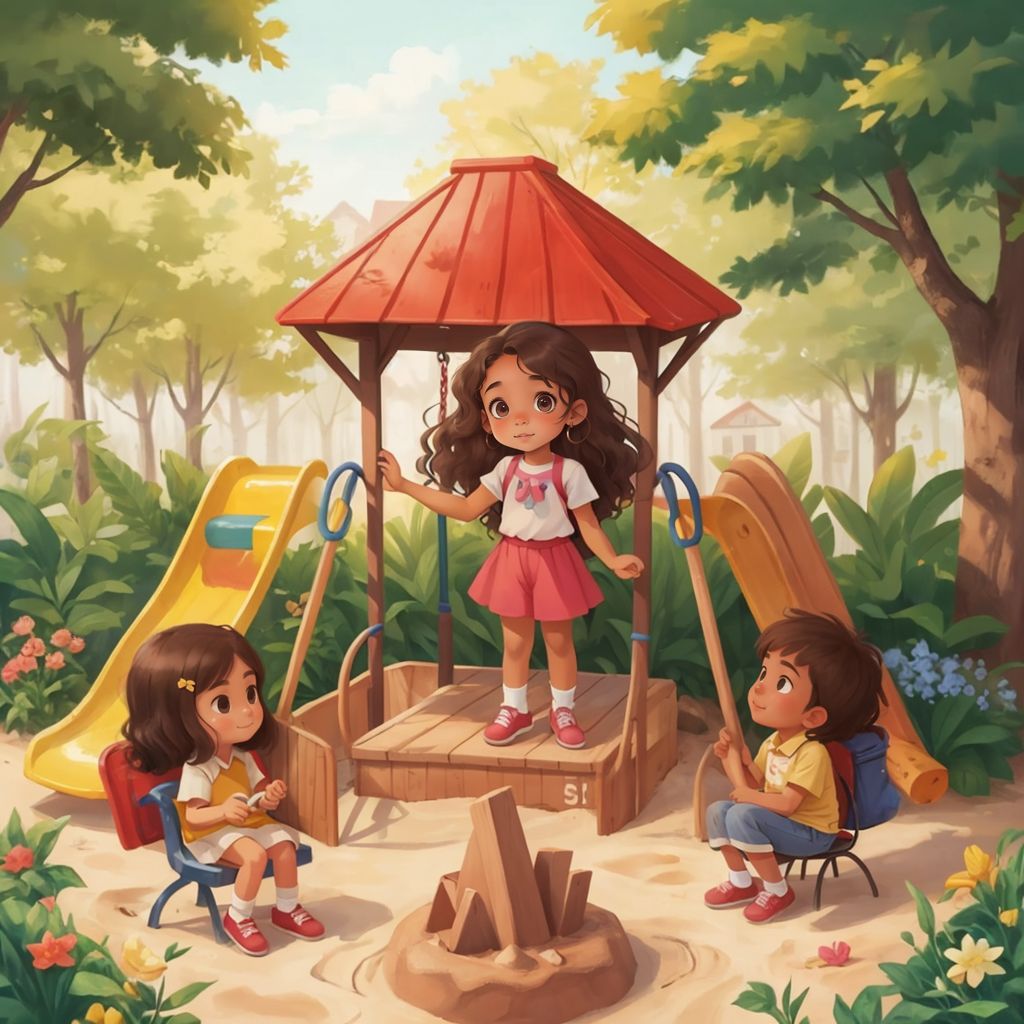
Aaylah discovers the importance of her biracial diversity through different interactions with her friends in the playground
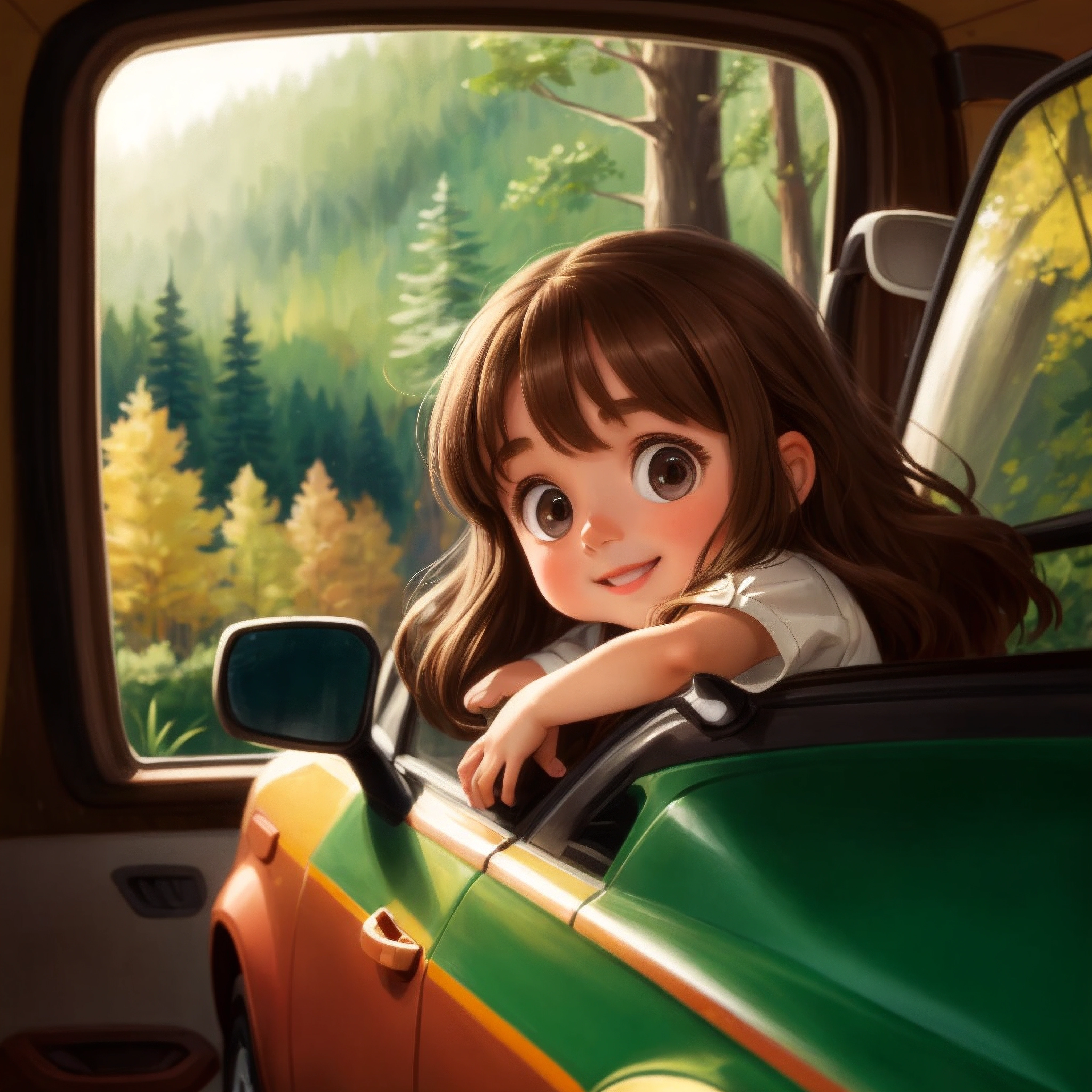
kids visit Nana and Papa at the cabin and see a deer and moose in the garden.

Dad tells many funny jokes to his daughter Lena while they ride in the care each day to preschool. This makes her less nervous about going to preschool and takes her mind off being scared. Dad and Lean grow close as Lena gets older and eventually graduates from preschool.
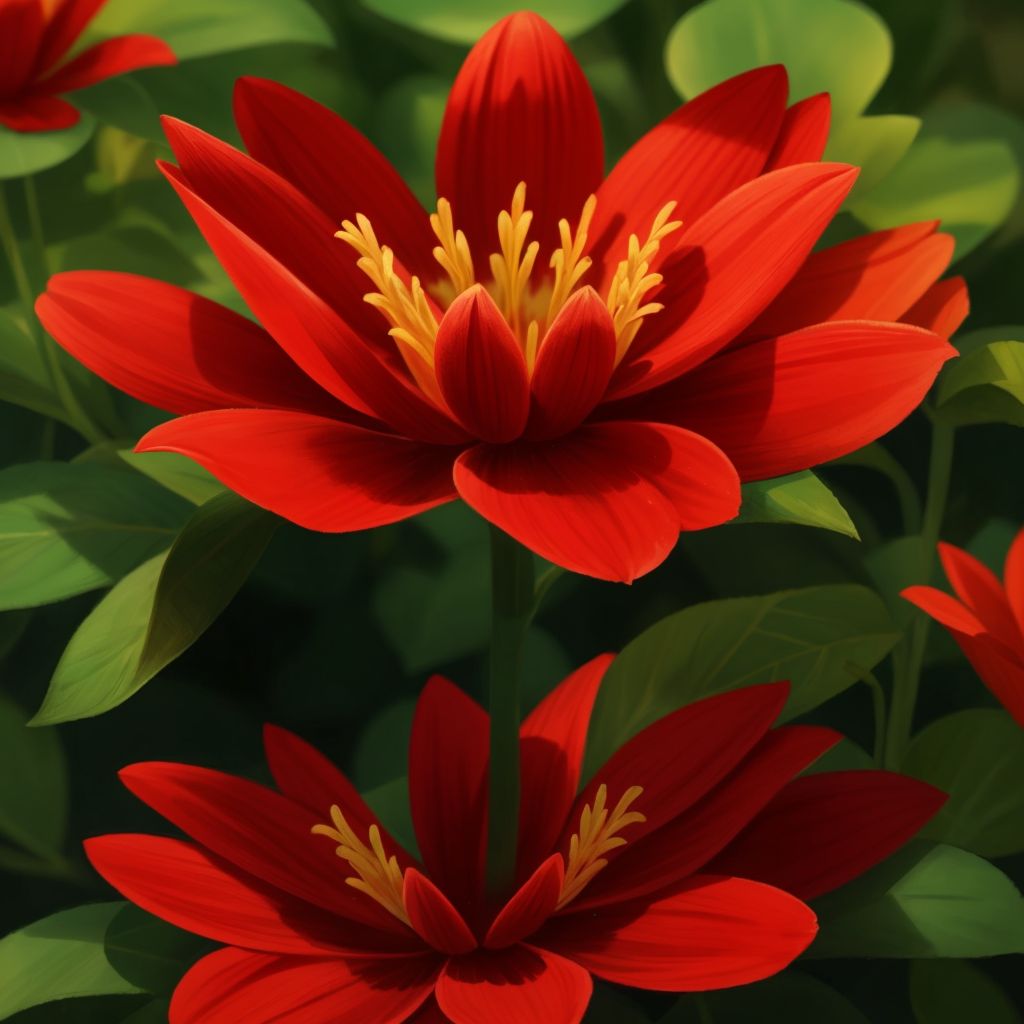
Spring Flowers meets various insects and animals in the garden and learns about their roles in the ecosystem. Children explore the world of nature and biodiversity with Spring Flowers.
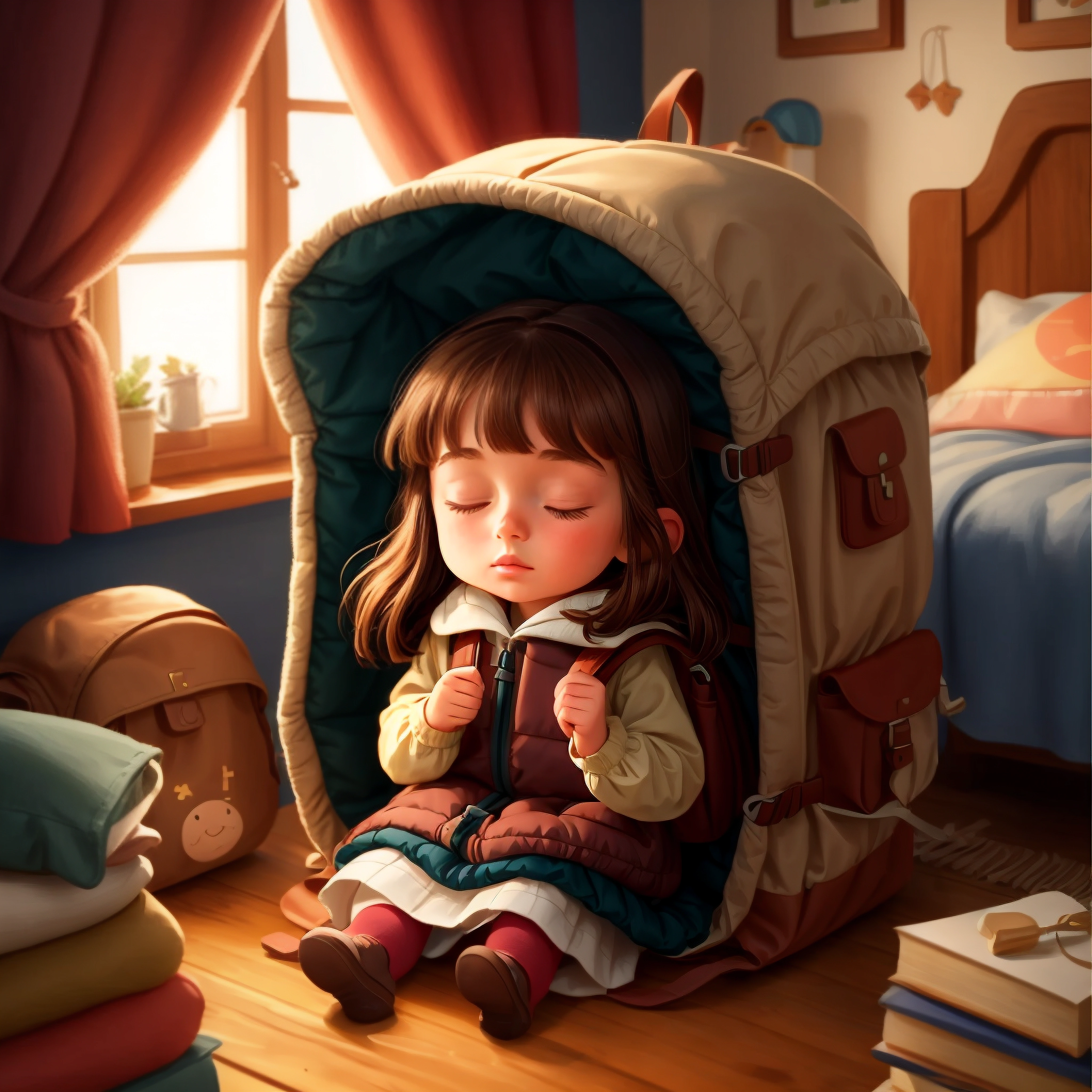
Girls are sisters on their first camping trip together and they run out of batteries at night and have to help each other not get scared